
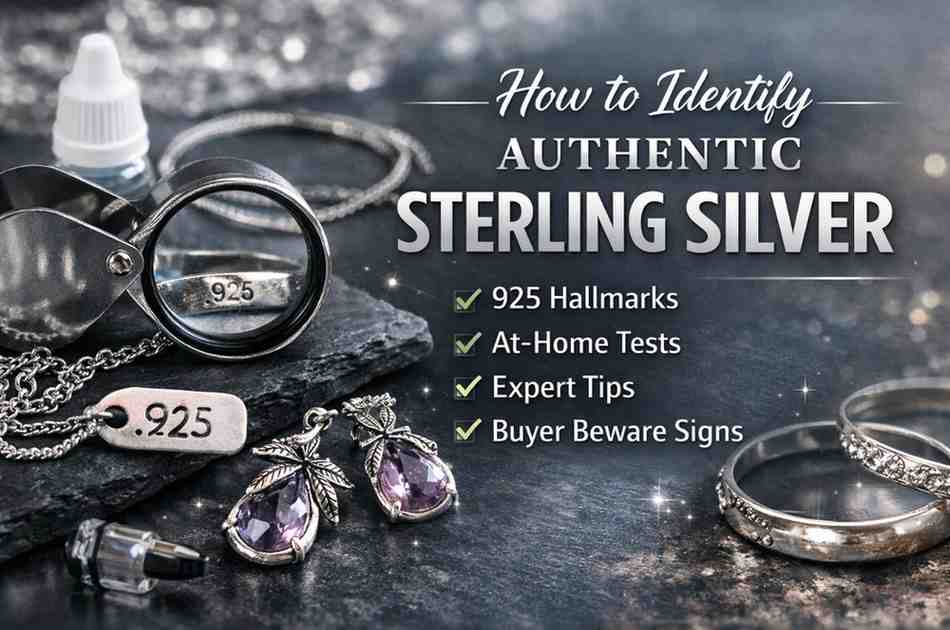
Sterling silver jewelry is one of the most popular choices for its elegant shine, durability, and timeless appeal. However, not every piece sold as “silver” is genuine.
Many buyers unknowingly end up with fake, silver-plated, or low-quality alloys that lose their shine quickly and have little real value.
This is why it is important to identify authentic sterling silver before making a purchase. With rising online jewelry sales, counterfeit and misleading products have become more common than ever.
In this buyer’s guide, you’ll learn simple yet reliable methods to verify real sterling silver, including hallmarks, physical tests, and expert tips.
Whether you’re a first-time buyer or a jewelry lover, these practical insights will help you confidently spot real silver and avoid costly mistakes.
1. What Is Sterling Silver?
To properly identify authentic sterling silver, you first need to understand what it actually is.
Sterling silver is a high-quality metal alloy made of 92.5% pure silver and 7.5% other metals, usually copper. This combination is what gives sterling silver its strength, durability, and suitability for everyday jewelry use.
Pure silver, also known as fine silver (99.9%), is too soft for making durable jewelry. It bends, scratches, and loses shape easily.
That’s why jewelers prefer sterling silver—it maintains the beauty of silver while adding strength through alloy mixing.
Sterling Silver vs Fine Silver
- Fine Silver (99.9%) → Softer, more expensive, rarely used in daily-wear jewelry
- Sterling Silver (92.5%) → Strong, durable, widely used in rings, chains, and bracelets
2. Why It’s Important to Identify Authentic Sterling Silver
Knowing how to identify authentic sterling silver helps you avoid fake or low-quality jewelry and shop with confidence.
925 sterling silver contains 92.5% pure silver, offering genuine value, durability, and long-lasting beauty.
Unlike silver-plated or imitation pieces, it can be cleaned and maintained for years with proper care.
Want a detailed comparison before you buy?
Read our in-depth buyer’s guide on 925 vs 950 silver and choose wisely.
3. Top Signs to Identify Authentic Sterling Silver
If you want to confidently identify authentic sterling silver, you need to go beyond guesswork and understand the real physical indicators that separate genuine silver from plated or fake alternatives.
These signs are commonly used by jewelers and experienced buyers to verify authenticity.
Below are the most reliable checks you can use before making a purchase.
3.1 Hallmarks & Stamps (First Proof of Authenticity)
One of the easiest ways to check sterling silver is to look for a 925, .925, Sterling, or Sterling Silver hallmark. These marks indicate 92.5% pure silver. Check inside rings, on chain or bracelet clasps, or on the back of pendants and earrings.
⚠️ Important insight: While hallmarks are a strong indicator, they are not 100% foolproof, as low-quality fake jewelry may also carry misleading stamps. That’s why this step should always be combined with physical testing.
3.2 Color, Luster & Surface Finish (Visual Authenticity Check)
Authentic sterling silver usually has a bright, soft shine and cool silver tone with a natural-looking finish. Fake or silver-plated jewelry may appear overly shiny, yellowish, uneven, or artificial and can fade quickly with use.
3.3 Tarnishing Pattern (Natural vs Fake Aging)
Tarnishing is one of the most important signs when you identify authentic sterling silver.
Real sterling silver naturally reacts with air and moisture, forming a thin layer of dark oxidation over time.
This is completely normal and expected.
Read more – How to Make Your Tarnished Silver Chain Shine Again
Authentic sterling silver naturally tarnishes gradually and evenly and can be restored with a silver polishing cloth or gentle cleaner. Fake or plated jewelry may peel, flake, discolor unevenly, or reveal the base metal, and damaged plating cannot usually be restored through polishing.
💡 Pro tip: Proper storage in airtight bags or anti-tarnish cloth helps preserve shine for longer.
Our Top Picks for Authentic Sterling Silver Jewelry
Once you know what to look for in authentic sterling silver, choosing the right piece becomes much easier.
We’ve selected a few sterling silver jewelry options that offer quality materials, versatile designs, and everyday wearability.
Authentic 925 Sterling Silver Necklace
S925 Sterling Silver Initial Necklace for Women – Personalized Letter Pendant
Add a personal touch to your everyday style with this S925 sterling silver initial necklace for women.
The delicate letter pendant creates a meaningful piece you can wear every day, while the adjustable 16″ + 2″ chain allows for a comfortable fit.

Nickel-free, lead-free, and cadmium-free, it also makes a thoughtful gift for birthdays, Mother’s Day, anniversaries, Christmas, or any special occasion.
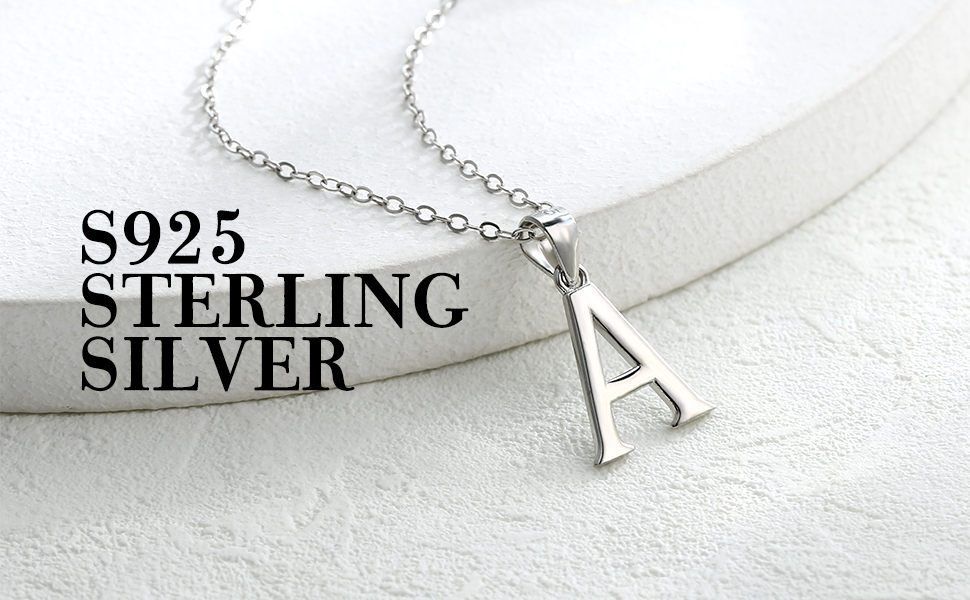
All letters are available, making it easy to choose your own initial or one that represents someone special.
Product Specifications
- Material: S925 Sterling Silver
- Design: Initial Letter Pendant
- Chain Length: 16″ + 2″ Adjustable Extender
- Features: Hypoallergenic, Nickel-Free, Lead-Free & Cadmium-Free
- Style: Minimalist & Personalized
- Best For: Everyday Wear & Gifting
- Packaging: Elegant Gift Box Included
- Return Policy: 60-Day No-Risk Return
925 Sterling Silver Hummingbird Necklace for Women – Lab-Grown Diamond Pendant

Add a meaningful touch to your jewelry collection with this 925 sterling silver hummingbird necklace for women.
Featuring a delicate hummingbird design with lab-grown diamonds, it symbolizes freedom and beauty.
The 18-inch chain with a 2-inch extender offers an adjustable fit, while the elegant gift box makes it a thoughtful choice for moms, wives, girlfriends, sisters, or friends.
Product Specifications
- Material: 925 Sterling Silver
- Design: Hummingbird Heart Pendant
- Diamond Type: Lab-Grown Diamonds
- Total Diamond Weight: 0.064 Carat
- Pendant Size: 0.97 × 1.02 inches
- Chain Length: 18″ + 2″ Adjustable Extender
- Included: Polishing Cloth & Gift Box
- Best For: Everyday Wear & Gifting
- Return Policy: 90-Day Hassle-Free Return & Refund
925 Sterling Silver Band Ring for Women – 5mm Solid Comfort-Fit Ring

This solid 925 sterling silver ring features a simple, timeless design with a comfortable fit, making it easy to wear every day.
Its 5mm width gives it a slightly bolder look while maintaining a classic style.
It comes in an eco-friendly cotton bag, making it a thoughtful gift for someone special or a stylish addition to your own jewelry collection.
Product Specifications
- Material: Solid 925 Sterling Silver
- Design: Classic Band Ring
- Width: 5mm
- Stamp: 925 Hallmark
- Fit: Comfort Fit
- Shape: Round
- Durability: Strong & Shape-Retaining
- Packaging: Eco-Friendly Cotton Bag
- Best For: Everyday Wear & Gifting
- Satisfaction Guarantee: 60 Days
- Sizing: Choose the correct ring size before ordering
925 Sterling Silver Huggie Hoop Earrings for Women – Lightweight Hypoallergenic Hoops

These 925 sterling silver huggie hoop earrings combine a simple, polished design with comfortable everyday wear.
Their sleek style complements different outfits and face shapes, while the hypoallergenic material makes them a suitable option for sensitive ears.

Lightweight and easy to wear, they come with a gift box and silver polishing cloth, making them a practical choice for yourself or a loved one.
Product Specifications
- Material: 925 Sterling Silver
- Design: Huggie Hoop Earrings
- Thickness: 0.39 in / 1.0 cm
- Length: 0.66 in / 1.7 cm
- Features: Hypoallergenic & Smooth Polished Finish
- Weight: Lightweight & Comfortable
- Style: Minimalist & Versatile
- Best For: Everyday Wear & Special Occasions
- Included: Gift Box & Silver Polishing Cloth
- Care: Remove before bathing or heavy sweating
3.4 Nitric Acid Test (Professional Authenticity Confirmation)
The nitric acid test is one of the most reliable methods used by professionals to identify authentic sterling silver.
Read more – Discover the Best Way to Clean Silver at Home
When a small drop of nitric acid is applied:
- Genuine sterling silver → Creamy or milky reaction
- Fake metal → Green, blue, or no proper reaction
Safety warning: This test involves corrosive chemicals and should NEVER be performed at home without expert handling.
💡 Best practice: Always get this test done by a certified jeweler or lab if you are unsure about a high-value purchase.
4. At-Home Tests to Identify Authentic Sterling Silver
To confidently identify authentic sterling silver, you don’t always need professional tools. There are a few simple at-home tests that can help you quickly judge whether your jewelry is real or fake. While these methods are not 100% foolproof on their own, they are highly effective when combined together.
4.1 Ice Cube Test (Heat Conductivity Test)
One of the easiest ways to check authenticity is the ice cube test, based on sterling silver’s high thermal conductivity.
How to perform the test:
- Take an ice cube from the freezer
- Place it directly on the silver jewelry piece
- Observe how quickly it starts melting
What the result means:
- Authentic sterling silver → Ice melts very quickly because silver transfers heat rapidly
- Fake or plated jewelry → Ice melts slowly or normally like it would on any other metal
💡 Why this works:
Real sterling silver is an excellent conductor of heat, meaning it quickly draws heat from your hand or surroundings and transfers it to the ice.
Important note:
This test works best on larger silver surfaces. Small or thin jewelry pieces may give less noticeable results, so it should be used along with other checks.
4.2 Magnet Test (Simple Magnetic Check)
Another quick method to identify authentic sterling silver is using a magnet test.
Sterling silver is a non-magnetic metal, so it should not respond to a magnet under normal conditions.
How to perform the test:
- Take a strong magnet (like a refrigerator or neodymium magnet)
- Bring it close to the jewelry piece
- Observe whether it attracts or sticks
What the result means:
- Authentic sterling silver → No attraction or movement
- Fake or mixed metal jewelry → May stick or show magnetic pull
💡 Why this works:
Pure silver and sterling silver are not magnetic, so they do not react to magnets.
Limitations of this test:
- Some non-silver metals (like stainless steel) are also non-magnetic, which can lead to false positives
- Very thin silver plating over non-magnetic metals may also pass this test
- Therefore, magnet testing should never be used alone for final confirmation
5. Professional Testing & Verification (Expert-Level Authenticity Check)
When at-home methods are not enough, the most reliable way to identify authentic sterling silver is through professional testing. These methods are used by certified jewelers and laboratories to confirm metal purity with high accuracy.
XRF Testing (X-Ray Fluorescence Analysis)
XRF testing is one of the most advanced and non-destructive ways to verify silver authenticity.
How it works:
A specialized XRF machine scans the jewelry and instantly analyzes its metal composition without damaging the piece.
What you get:
- Exact percentage of silver content
- Detection of hidden base metals
- Instant and highly accurate results
Why it’s trusted:
It is widely used in professional jewelry stores, hallmarking centers, and quality certification labs.
Jeweler’s Appraisal (Expert Physical Verification)
A certified jeweler can physically inspect your jewelry to help you identify authentic sterling silver based on experience and tools.
They check:
- Hallmarks and stamps
- Weight and density
- Color and oxidation pattern
- Craftsmanship quality
Why it matters:
Experienced jewelers can often detect fake silver instantly by appearance and feel, something beginners may miss.
Certificates of Authenticity (COA)
A certificate of authenticity provides written proof that your jewelry is genuine sterling silver.
It usually includes:
- Metal composition details (925 silver confirmation)
- Seller or manufacturer details
- Testing method used
💡 Why it’s important:
A COA adds trust and protects your purchase, especially for high-value jewelry bought online.
When Should You Get Expert Help?
You should always consider professional verification if:
- You are buying high-value sterling silver jewelry
- The price seems “too good to be true”
- Hallmarks are missing or unclear
- You are purchasing from a new or unknown seller
Smart buyer tip:
If you are unsure, always prioritize expert testing over assumptions. It is the most reliable way to confirm authenticity.
6. Trusted Places for Professional Testing & Verification (Highest Accuracy Methods)
If you want to confidently identify authentic sterling silver, professional verification is the most reliable step. While at-home tests are useful, expert methods provide scientific-level accuracy and certification-backed proof, especially for high-value jewelry.
XRF Testing (Advanced Metal Composition Analysis)
XRF (X-ray fluorescence) testing is the gold standard for verifying precious metals.
How it works:
A specialized machine scans the jewelry and instantly detects its exact metal composition without damaging the piece.
What it reveals:
- Exact percentage of silver content
- Presence of hidden base metals
- Verification of 92.5% sterling silver standard
Why it’s trusted:
It is widely used by professional jewelers, hallmarking authorities, and quality control labs due to its high precision and non-destructive nature.
Jeweler’s Appraisal (Expert Visual + Physical Inspection)
A certified jeweler can help you identify authentic sterling silver through professional evaluation.
They assess:
- Hallmarks and authenticity stamps
- Weight, density, and feel
- Color tone and natural oxidation
- Craftsmanship quality and finishing
Why it matters:
Experienced jewelers can often detect fake silver instantly based on subtle physical cues that most buyers overlook.
Certificates of Authenticity (COA)
A Certificate of Authenticity is official proof that your jewelry is genuine sterling silver.
It typically includes:
- Metal purity details (925 confirmation)
- Testing method used
- Manufacturer or seller verification
- Product identification details
💡 Why it is important:
A COA adds trust, transparency, and resale value, especially for online purchases where physical verification is not possible.
When Should You Seek Professional Help?
You should always go for expert verification when:
- The jewelry is high-priced or luxury-grade
- Hallmarks are missing, unclear, or suspicious
- The seller is new or not well-known
- The price seems unusually low for sterling silver
Smart buyer insight:
If there is even slight doubt, professional testing is the safest way to avoid counterfeit products and ensure you truly identify authentic sterling silver before investing.
7. Trusted Places to Buy Sterling Silver Jewelry (Safe Buying Guide)
Even if you know how to identify authentic sterling silver, choosing the right seller is equally important. A trusted source ensures you receive genuine, high-quality jewelry with proper documentation and after-sales support.
What to Look for in a Reputable Seller
Before buying, always evaluate the seller based on trust and transparency:
- Clear mention of “925 sterling silver” certification
- Proper hallmarking on every product
- Transparent product descriptions without vague claims
- High-quality, real product images (not overly edited)
- Verified customer ratings and reviews
A reliable seller will always be upfront about material quality and sourcing.
Return Policies, Warranties & Buyer Protection
A trustworthy sterling silver seller always offers strong buyer protection, such as:
- Easy return or exchange policy
- Money-back guarantee for defective or fake items
- Product warranty for tarnish or manufacturing defects
- Clear shipping and refund guidelines
💡 Why this matters:
Strong policies indicate that the seller is confident about product authenticity and quality.
Reviews, Reputation & Brand Trust
Customer feedback is one of the strongest indicators when selecting a seller.
Look for:
- Detailed and consistent positive reviews
- Real customer images and experiences
- Long-term brand reputation
- Responsive customer support
Warning sign:
Too many generic 5-star reviews without details may indicate unreliable or manipulated ratings.
8. Red Flags When Buying Sterling Silver
When trying to identify authentic sterling silver, it’s just as important to recognize warning signs of fake or low-quality pieces. Many counterfeit items are designed to look convincing at first glance, but they reveal their true quality over time.
Unusually Low Price (Too Good to Be True)
If the price feels extremely low compared to normal sterling silver jewelry, it is often a red flag. Genuine 925 sterling silver has real material value, so it cannot be sold at unrealistic prices without compromising quality.
💡 Tip: Always compare prices across trusted sellers before purchasing.
Lack of Hallmarks or Authentic Stamps
Authentic sterling silver is usually marked with “925”, “.925”, or “Sterling”.
Warning signs:
- No stamp or unclear markings
- Fake-looking or uneven engraving
- Missing purity indication
While stamps alone are not proof of authenticity, their absence is a strong warning sign.
Poor Craftsmanship or Flimsy Build
Real sterling silver jewelry feels solid and well-finished. Fake pieces often feel light, cheap, or poorly made.
Look for:
- Rough edges or uneven polishing
- Weak clasps or joints
- Lightweight feel for size
💡 Authentic silver has a balanced weight and smooth finishing due to its metal density.
Overly Shiny Finish That Doesn’t Age Naturally
One major way to identify authentic sterling silver is by observing how it behaves over time.
Red flag:
- Extremely glossy, plastic-like shine
- No signs of tarnish even after long use
- Coating that looks “painted on”
Real sterling silver naturally develops slight tarnish, which can be cleaned and restored easily.
9. Caring for Your Sterling Silver Jewelry (Long-Term Protection Guide)
Once you have learned how to identify authentic sterling silver, proper care becomes essential to maintain its beauty, shine, and durability over time.
Cleaning Tips for Sterling Silver
Regular cleaning helps preserve the natural shine of silver.
Best methods:
- Use a soft silver polishing cloth
- Clean with mild soap and lukewarm water
- Gently dry with a microfiber cloth
Avoid:
- Harsh chemicals
- Abrasive brushes or rough materials
- Excessive polishing that may wear surface detail
💡 Regular gentle cleaning is better than occasional harsh cleaning.
Proper Storage to Reduce Tarnish
Storage plays a major role in maintaining sterling silver quality.
Best practices:
- Store in airtight zip pouches or boxes
- Use anti-tarnish strips or cloth bags
- Keep pieces separate to avoid scratches
💡 Why it works:
Reducing exposure to air and moisture slows down natural oxidation.
Avoid Exposure to Chemicals
Chemicals are one of the fastest ways to damage sterling silver.
Avoid contact with:
- Perfumes and deodorants
- Chlorine and swimming pools
- Cleaning agents and cosmetics
- Sweat during heavy physical activity
Even genuine silver can tarnish faster when exposed to chemicals
10. Buyer’s Checklist (Quick Guide to Identify Authentic Sterling Silver)
Before you make a final purchase, use this simple checklist to confidently identify authentic sterling silver and avoid fake or low-quality jewelry. This quick evaluation helps you make a safe and informed buying decision in seconds.
Hallmark Present?
Check if the jewelry is stamped with “925”, “.925”, or “Sterling”.
This indicates it contains 92.5% pure silver.
⚠️ No hallmark doesn’t always mean fake, but it is a strong warning sign—especially for new or unverified sellers.
Passed the Magnet Test?
Bring a magnet close to the jewelry.
- No attraction → Likely authentic sterling silver
- Strong attraction → Contains other metals or is fake
💡 Remember: This test is helpful but should not be used alone.
Trusted Seller?
Always buy from a reliable and transparent seller. Check whether the store has verified customer reviews that show real buying experiences and satisfaction.
The product descriptions should clearly mention “925 silver” with complete details about purity and material. A good seller will also offer clear return and exchange policies that protect your purchase.
Additionally, brand reputation and authenticity claims play a major role in ensuring trust. A trustworthy seller is one of the strongest indicators that the silver jewelry you are buying is genuine.
Good Craftsmanship?
Authentic sterling silver jewelry always feels and looks premium. It should have a smooth finish with no rough edges, showing careful polishing and attention to detail.
The piece should also have a proper weight—not too light or flimsy—since real sterling silver has a solid, quality feel. Strong clasps and a durable structure are important to ensure long-lasting use without breaking easily.
You should also notice clean, detailed design work that reflects skilled craftsmanship. 💡 Poor craftsmanship is often a strong indicator of low-quality or fake material.
Sterling Silver Jewelry FAQs – Everything You Need to Know Before Buying
These frequently asked questions will help you understand the authenticity, care, and key features of sterling silver jewelry. Whether you are a first-time buyer or a regular shopper, this section clears all your common doubts before making a purchase.
What does 925 mean in sterling silver jewelry?
The number 925 means the jewelry contains 92.5% pure silver and 7.5% other metals, usually copper, to improve strength and durability. This is the standard for authentic sterling silver jewelry. It ensures the piece is strong enough for daily wear while still maintaining the beauty and shine of real silver.
Can real sterling silver tarnish?
Yes, real sterling silver can tarnish over time when exposed to air, moisture, perfumes, or chemicals. Tarnishing is a natural process and does not mean the jewelry is fake. It can easily be cleaned using a silver polishing cloth or mild cleaning solutions to restore its original shine and brightness.
Is sterling silver magnetic?
No, authentic sterling silver is not magnetic. If a strong magnet attracts the jewelry, it usually contains other metals or is not genuine sterling silver. However, this test should not be used alone, as some non-magnetic metals can still be fake. It is best used alongside other authenticity checks.
How can I tell if my silver jewelry is real without tools?
You can check for a 925 hallmark, observe its weight, and test for tarnishing over time. Real sterling silver has a solid feel, not overly shiny or lightweight. You can also look for quality craftsmanship and buy from trusted sellers. These simple checks help identify authenticity without special tools.
Does sterling silver lose value over time?
Sterling silver generally retains its value based on silver market rates, but jewelry resale value can vary depending on design, brand, and condition. While it may not always increase in value, high-quality sterling silver pieces remain durable, stylish, and reusable for many years, making them a long-term investment in fashion.