
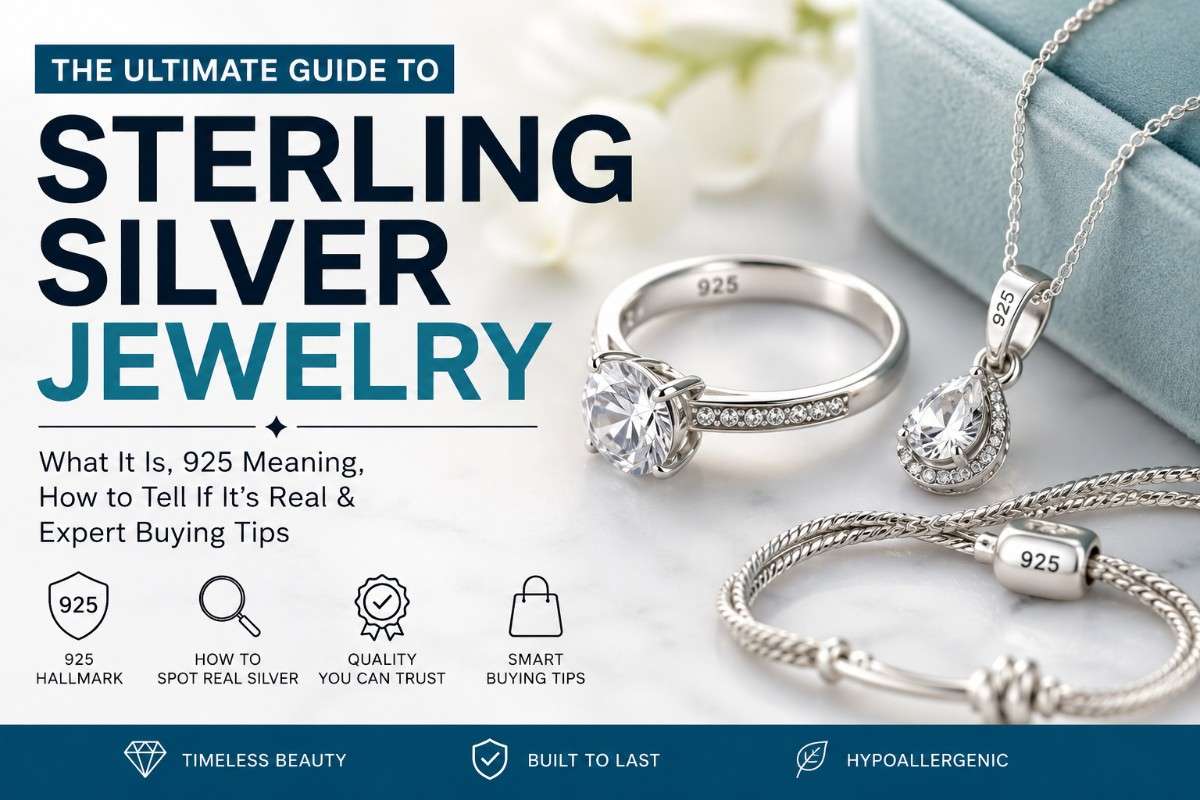
Buying sterling silver jewelry can be exciting, but with so many options available online and in stores, it can also be confusing. From genuine 925 sterling silver pieces to silver-plated jewelry that only looks authentic, knowing what you’re paying for is essential before making a purchase.
If you’ve ever wondered, “Is sterling silver real silver?”, “What does 925 mean on silver?”, or “How can I tell if sterling silver is genuine?”, you’re not alone. These are some of the most common questions buyers ask when shopping for silver jewelry. Understanding silver purity, hallmarks, pricing, durability, and authenticity can help you avoid costly mistakes and invest in jewelry that lasts for years.
In this complete sterling silver buying guide, you’ll learn everything you need to know before purchasing sterling silver jewelry. We’ll explain what sterling silver is, how to identify real 925 silver, the differences between sterling silver and silver-plated jewelry, common hallmarks to look for, pricing factors, care tips, and the most important mistakes to avoid. Whether you’re buying your first silver ring, necklace, bracelet, or a special gift, this guide will help you shop with confidence and make an informed decision.
What Is Sterling Silver?
Quick Answer
Sterling silver is a silver alloy made of 92.5% pure silver and 7.5% other metals, usually copper. It offers the perfect balance of beauty, durability, and affordability, making it one of the most popular choices for jewelry. To identify real sterling silver, look for a 925 hallmark, perform authenticity tests, and purchase from reputable sellers.
Sterling silver is a high-quality silver alloy made of 92.5% pure silver and 7.5% other metals, usually copper. Because pure silver is naturally soft and prone to scratches or bending, additional metals are added to improve its strength and durability. This combination creates a precious metal that retains silver’s beautiful appearance while being practical for everyday jewelry.
💎 Recommended Silver Jewelry Guides
Enjoyed this Sterling Silver Buying Guide? Continue learning with our most popular silver jewelry resources.
Sterling silver is one of the most popular materials used for rings, necklaces, bracelets, earrings, and other accessories. It offers the luxurious look of silver at a more affordable price than precious metals such as gold or platinum. With proper care, sterling silver jewelry can last for decades and even become a cherished heirloom.
Many people choose sterling silver because it is durable, versatile, hypoallergenic for most wearers, and suitable for both casual and formal occasions. Whether you’re buying your first piece of silver jewelry or expanding your collection, sterling silver remains one of the best choices for long-term value and style.
| Feature | Sterling Silver | Silver-Plated | 950 Silver |
|---|---|---|---|
| Silver Content | 92.5% | Thin Silver Layer | 95% |
| Durability | High | Low | Moderate |
| Value | Good | Low | Higher |
| Best For | Everyday Wear | Fashion Jewelry | Premium Pieces |
What Does 925 Mean on Silver?
The number “925” stamped on jewelry indicates that the piece is made from sterling silver. The hallmark represents 92.5% pure silver content and 7.5% alloy metals. It is one of the most recognized symbols used to verify the authenticity of sterling silver jewelry worldwide.
You may find the hallmark in various forms, including:
- 925
- .925
- S925
- Sterling
- Sterling Silver
These markings are usually located on the inside of rings, bracelet clasps, necklace tags, or earring posts. While a 925 stamp is a strong indicator of genuine sterling silver, it should not be the only factor used to verify authenticity. Reputable sellers, quality craftsmanship, and additional testing methods can provide further confirmation.
Understanding what 925 means helps buyers confidently identify real sterling silver and avoid confusing it with silver-plated or imitation jewelry.
Sterling Silver vs Pure Silver
Although sterling silver and pure silver contain the same precious metal, they serve different purposes.
Pure silver, often called fine silver, contains 99.9% silver. It has a bright appearance and high purity but is extremely soft. Because of this softness, pure silver scratches, bends, and deforms more easily when used for jewelry.
Sterling silver contains 92.5% silver and 7.5% alloy metals. This composition significantly improves durability while maintaining the attractive appearance of silver.
Key differences include:
- Purity: Pure silver contains 99.9% silver, while sterling silver contains 92.5%.
- Durability: Sterling silver is much stronger and more resistant to damage.
- Jewelry Use: Sterling silver is preferred for everyday jewelry.
- Price: Pure silver is generally more expensive due to its higher silver content.
- Practicality: Sterling silver offers a better balance between beauty and strength.
For most jewelry buyers, sterling silver is the superior choice because it combines authenticity, durability, and affordability.
Sterling Silver vs Silver-Plated Jewelry
One of the most important distinctions buyers should understand is the difference between sterling silver and silver-plated jewelry.
Sterling silver contains genuine silver throughout the entire piece. Even if the surface becomes scratched, the metal underneath remains sterling silver. This makes it a valuable and long-lasting investment.
Silver-plated jewelry, on the other hand, consists of a base metal such as brass, copper, or stainless steel coated with a thin layer of silver. Over time, the silver coating can wear away, revealing the base metal underneath.
Major differences include:
- Material: Sterling silver contains real silver throughout the piece.
- Durability: Sterling silver lasts much longer than silver-plated jewelry.
- Value: Sterling silver has intrinsic precious metal value.
- Repairability: Sterling silver can often be polished and restored.
- Longevity: Silver-plated jewelry may lose its silver finish after regular wear.
If you’re looking for jewelry that can last for years and maintain its value, sterling silver is usually the better investment.
Sterling Silver vs 950 Silver
Both sterling silver and 950 silver are considered genuine silver alloys, but they differ in silver content and durability.
950 silver contains 95% pure silver and 5% alloy metals, making it slightly purer than sterling silver. Because of its higher silver content, 950 silver often has a brighter appearance and greater value. However, it is also softer and more susceptible to scratches and bending.
⚖ Still Deciding Between 925 and 950 Silver?
Choosing the right silver purity can affect durability, appearance, and long-term value.
Sterling silver contains 92.5% silver and offers greater strength, making it ideal for everyday jewelry.
Comparison at a glance:
- Sterling Silver: 92.5% silver, highly durable, excellent for daily wear.
- 950 Silver: 95% silver, higher purity, softer and more delicate.
- Price: 950 silver is typically more expensive.
- Maintenance: 950 silver may require more careful handling.
- Best Use: Sterling silver for everyday jewelry; 950 silver for premium or artisan pieces.
For most consumers, sterling silver provides the best combination of beauty, durability, and affordability. However, buyers seeking higher silver purity may prefer 950 silver for special jewelry collections.
How to Identify Real Sterling Silver
With counterfeit and silver-plated jewelry becoming increasingly common, knowing how to identify real sterling silver is an essential skill for any buyer. Genuine sterling silver contains 92.5% pure silver and typically carries specific hallmarks that indicate its authenticity. However, markings alone are not always enough, as fake jewelry can also be stamped with misleading symbols.
🔍 Want to Become a Silver Authenticity Expert?
Now that you know the basic tests for identifying genuine sterling silver, take your knowledge further with our detailed authenticity guides.
Learn how experts verify real silver and avoid costly buying mistakes.
The best approach is to combine several testing methods, including hallmark inspection, magnet testing, ice testing, tarnish evaluation, and professional verification. While no single test is completely foolproof, using multiple methods together can help you determine whether a piece is genuine sterling silver or a lower-quality imitation.
✅ Signs of Real Sterling Silver
- 925 or Sterling hallmark
- Non-magnetic
- Natural tarnish over time
- Passes ice test
- Can be professionally verified
❌ Signs of Fake Silver
- No hallmark
- Strong magnetic attraction
- Silver coating peeling off
- Unusually cheap price
- Poor craftsmanship
1. Check the Hallmark
The hallmark is often the quickest way to identify sterling silver jewelry. Genuine sterling silver pieces usually feature a stamp indicating their silver content and authenticity.
Common hallmark locations include:
- Inside rings
- Necklace clasps
- Bracelet clasps
- Earring posts
- Pendant backs
Look for markings such as:
- 925
- .925
- S925
- Sterling
- Sterling Silver
A clear and professionally engraved hallmark is generally a positive sign. However, some counterfeit products also use fake stamps, so it’s wise to combine this method with additional tests before making a purchase.
2. Magnet Test
Silver is not magnetic, making a magnet test a simple way to detect certain fake jewelry pieces.
To perform this test:
- Use a strong magnet, such as a neodymium magnet.
- Hold the magnet close to the jewelry.
- Observe the reaction.
If the jewelry is strongly attracted to the magnet, it likely contains iron, nickel, or another magnetic metal and is probably not genuine sterling silver.
Keep in mind that some non-silver metals are also non-magnetic, so passing the magnet test does not guarantee authenticity. It should be used alongside other verification methods.
3. Ice Test
Silver is one of the best thermal conductors among metals, which makes the ice test surprisingly effective.
To perform the ice test:
- Place the jewelry on a flat surface.
- Put an ice cube directly on the piece.
- Watch how quickly the ice begins to melt.
Genuine sterling silver transfers heat rapidly, causing the ice to melt noticeably faster than it would on many other metals.
While this test is useful, it works best on larger pieces such as bracelets, bangles, or silver bars. Small rings and earrings may not produce obvious results.
4. Tarnish Test
Unlike stainless steel, genuine sterling silver naturally tarnishes over time when exposed to air and moisture. This occurs because the copper in the alloy reacts with sulfur compounds in the environment.
Signs of authentic silver tarnish include:
- A dark gray or black surface layer
- Tarnish that can be removed with silver polish
- Discoloration appearing in crevices and detailed areas
If a piece never tarnishes despite years of wear, it may not contain significant amounts of silver. However, some sterling silver jewelry is protected with rhodium plating, which can delay tarnishing.
5. Professional Testing
For complete peace of mind, professional testing is the most reliable option.
Jewelry professionals may use:
- Acid testing
- Electronic metal analyzers
- X-ray fluorescence (XRF) testing
- Precious metal verification equipment
These methods accurately determine the silver content without relying on visual inspection alone. Professional testing is particularly recommended when purchasing expensive sterling silver jewelry or antique pieces.
Common Sterling Silver Markings Explained
Understanding silver markings can help buyers quickly identify genuine sterling silver jewelry and avoid misleading products. Different countries and manufacturers may use slightly different stamps, but most authentic sterling silver follows internationally recognized standards.
Here are the most common sterling silver markings:
925
The most widely recognized silver hallmark. It indicates that the piece contains 92.5% pure silver and 7.5% alloy metals.
.925
A variation of the standard 925 stamp. It carries the same meaning and is commonly found on jewelry from many manufacturers.
S925
The “S” stands for silver, while 925 confirms sterling silver purity. This marking is frequently seen on modern jewelry pieces.
Sterling
Some manufacturers use the word “Sterling” instead of numerical markings. It signifies that the jewelry meets sterling silver standards.
Sterling Silver
This full-text hallmark explicitly states the material and is often found on premium jewelry pieces.
925 Italy
This marking indicates that the jewelry is made from sterling silver and manufactured in Italy, a country known for high-quality silver craftsmanship.
925 Thailand
Thailand is a major producer of sterling silver jewelry. This stamp confirms both silver purity and country of origin.
BIS Hallmark (India)
In India, silver products may carry a BIS hallmark, which indicates compliance with standards established by the Bureau of Indian Standards. This provides additional assurance of quality and authenticity for Indian buyers.
Why Silver Markings Matter
Silver hallmarks help buyers verify authenticity, understand silver purity, and make informed purchasing decisions. However, hallmarks should never be the only factor considered. Combining hallmark inspection with physical tests and reputable sellers offers the most reliable way to identify genuine sterling silver jewelry.
Does Sterling Silver Tarnish?
Yes, sterling silver can tarnish over time. This is a natural process and does not mean the jewelry is fake or low quality. Sterling silver contains 92.5% pure silver and 7.5% other metals, usually copper. When copper reacts with sulfur compounds, moisture, and oxygen in the air, a dark layer called tarnish forms on the surface.
✨ Is Your Silver Jewelry Turning Black?
Tarnishing is completely normal for sterling silver, but the good news is that it’s easy to clean and restore.
Learn step-by-step cleaning methods:
Several factors can accelerate tarnishing, including:
- High humidity
- Exposure to perfumes and lotions
- Sweat and body oils
- Household chemicals
- Chlorinated water
- Air pollution
The good news is that tarnish is usually only a surface reaction and can be removed easily with a silver polishing cloth or silver cleaner.
How to Prevent Sterling Silver Tarnishing
To keep your jewelry looking its best:
- Store it in an airtight jewelry box or pouch.
- Remove jewelry before swimming or showering.
- Avoid direct contact with perfumes and cosmetics.
- Clean it regularly with a soft polishing cloth.
- Wear it often, as regular use can actually help reduce tarnish buildup.
A small amount of tarnish is often considered a sign that your jewelry contains genuine sterling silver.
Does Sterling Silver Turn Skin Green?
One of the most common misconceptions about sterling silver is that it always turns skin green. In reality, genuine sterling silver rarely causes this issue, but it can happen under certain conditions.
The green discoloration usually comes from the copper content in sterling silver reacting with moisture, sweat, skincare products, or the natural chemistry of your skin. This reaction creates harmless compounds that may temporarily stain the skin.
You are more likely to notice green marks if:
- You sweat heavily.
- You live in a humid climate.
- You frequently use lotions or cosmetics.
- Your skin has a naturally higher acidity level.
How to Prevent Green Skin from Sterling Silver
- Keep jewelry clean and dry.
- Remove jewelry before exercising.
- Avoid applying lotion directly under jewelry.
- Choose rhodium-plated sterling silver for additional protection.
It’s important to note that green skin does not necessarily mean the jewelry is fake. Even authentic sterling silver can occasionally cause this reaction depending on individual body chemistry.
Is Sterling Silver Good for Everyday Wear?
Yes, sterling silver is one of the best jewelry materials for everyday wear. Its combination of beauty, durability, and affordability makes it a popular choice for rings, necklaces, bracelets, and earrings worn daily.
Unlike pure silver, which is very soft, sterling silver is strengthened with alloy metals that improve its resistance to bending and scratching. With proper care, sterling silver jewelry can remain beautiful for many years.
Benefits of Wearing Sterling Silver Daily
- Durable enough for regular use.
- Suitable for both casual and formal outfits.
- More affordable than gold or platinum.
- Easy to clean and maintain.
- Timeless appearance that never goes out of style.
Things to Keep in Mind
While sterling silver is durable, it is not indestructible. To maximize its lifespan:
- Remove it during heavy physical activities.
- Avoid exposure to harsh chemicals.
- Store it properly when not in use.
- Clean it regularly to prevent tarnish buildup.
For most buyers, sterling silver offers one of the best balances between luxury, practicality, and long-term value.
How Much Does Sterling Silver Cost?
The cost of sterling silver jewelry can vary significantly depending on several factors, including silver weight, craftsmanship, design complexity, brand reputation, gemstones, and current silver market prices.
In general:
- Simple sterling silver rings are often the most affordable.
- Bracelets and necklaces typically cost more due to higher silver content.
- Handmade or artisan jewelry commands premium pricing.
- Pieces featuring gemstones increase overall value.
Factors That Affect Sterling Silver Prices
1. Silver Content
Since sterling silver contains 92.5% pure silver, its value is directly influenced by global silver prices.
2. Weight
Heavier pieces contain more silver and generally cost more.
3. Design and Craftsmanship
Handcrafted jewelry often requires more labor and skill, resulting in higher prices.
4. Brand Reputation
Established jewelry brands may charge a premium due to quality assurance and customer trust.
5. Gemstones and Additional Materials
Diamonds, gemstones, pearls, or specialty finishes can significantly increase the final price.
When evaluating sterling silver jewelry, focus on overall quality and craftsmanship rather than price alone. Extremely cheap “sterling silver” jewelry may not always be genuine.
Mistakes to Avoid When Buying Sterling Silver Jewelry
Buying sterling silver jewelry can be a great investment, but many buyers make avoidable mistakes that lead to disappointment or wasted money.
Sterling Silver Buying Checklist
Before purchasing sterling silver jewelry, make sure you can answer “Yes” to these questions:
- Does it have a 925 hallmark?
- Is the seller reputable?
- Are there authentic customer reviews?
- Does the product description mention sterling silver?
- Is there a return policy?
- Does the craftsmanship look high quality?
- Is the price realistic for sterling silver?
Pro Tip: Never rely solely on a 925 stamp. Always verify authenticity through multiple checks.
1. Ignoring Hallmarks
Always look for markings such as 925, S925, Sterling, or Sterling Silver. Hallmarks are one of the first indicators of authenticity.
2. Confusing Sterling Silver with Silver-Plated Jewelry
Many buyers mistakenly assume silver-plated jewelry is the same as sterling silver. Sterling silver contains genuine silver throughout the piece, while silver-plated jewelry only has a thin silver coating.
3. Buying Solely Based on Price
If a piece seems unusually cheap, investigate further. Authentic sterling silver has intrinsic value and quality materials come at a cost.
4. Not Researching the Seller
Purchase from reputable jewelers, established online stores, or trusted brands that provide detailed product information and customer reviews.
5. Forgetting About Maintenance
Sterling silver requires occasional cleaning and proper storage. Buyers who expect completely maintenance-free jewelry may become frustrated by natural tarnishing.
6. Overlooking Return and Warranty Policies
Before purchasing, review the seller’s return policy, authenticity guarantees, and warranty coverage.
7. Assuming All Sterling Silver Is Identical
The quality of craftsmanship, finishing, gemstones, and design can vary significantly between products. Evaluate the overall construction, not just the silver content.
Quick Buyer Checklist
Before purchasing sterling silver jewelry, ask yourself:
- Is the piece marked 925 or Sterling Silver?
- Is the seller reputable?
- Does the price seem realistic?
- Are there clear product photos and descriptions?
- Is there a return policy?
- Does the craftsmanship appear high quality?
Following this checklist can help you avoid common mistakes and purchase genuine sterling silver jewelry with confidence.
How to Care for Sterling Silver Jewelry
Proper care is essential if you want your sterling silver jewelry to maintain its shine and beauty for years. While sterling silver is durable enough for everyday wear, it can tarnish when exposed to air, moisture, and certain chemicals. Fortunately, regular cleaning and proper storage can keep your jewelry looking like new.
Sterling Silver Care Guide
🧼 Clean Regularly
Use mild soap and a soft cloth.
📦 Store Properly
Keep jewelry in airtight pouches.
🚫 Avoid Chemicals
Remove before applying perfumes and lotions.
🏊 Remove Before Swimming
Chlorine and saltwater may accelerate tarnishing.
Clean Sterling Silver Regularly
Use a soft microfiber cloth or a dedicated silver polishing cloth to gently remove fingerprints, oils, and light tarnish. Avoid using abrasive materials that could scratch the surface.
For deeper cleaning:
- Mix a few drops of mild dish soap with warm water.
- Soak the jewelry for a few minutes.
- Gently clean with a soft toothbrush.
- Rinse thoroughly with clean water.
- Dry completely before storing.
Store Jewelry Properly
Proper storage helps slow down tarnishing and prevents scratches.
Best storage practices include:
- Keep jewelry in an airtight pouch or jewelry box.
- Store pieces separately to prevent scratching.
- Use anti-tarnish strips when possible.
- Avoid humid storage areas such as bathrooms.
Avoid Harsh Chemicals
Certain products can damage sterling silver or accelerate tarnishing.
Remove your jewelry before using:
- Perfumes
- Hairsprays
- Lotions
- Cleaning products
- Chlorinated pool water
Wear Your Jewelry Often
Surprisingly, regular wear can help reduce tarnish buildup. Natural skin oils can help keep sterling silver looking bright and polished.
Sterling Silver Care Checklist
- Clean regularly with a soft cloth
- Store in an airtight container
- Avoid chemicals and moisture
- Remove before swimming
- Polish when tarnish appears
- Store pieces separately
By following these simple care tips, your sterling silver jewelry can maintain its beauty and value for decades.
📚 Continue Your Silver Jewelry Journey
Whether you’re buying your first sterling silver piece or expanding your collection, understanding silver purity, authenticity, and maintenance can help you make smarter decisions.
✓ Learn how to identify real sterling silver
✓ Compare 925 and 950 silver
✓ Discover proper cleaning methods
✓ Avoid common silver buying mistakes
Explore more expert guides below and become a confident silver jewelry buyer.
Frequently Asked Questions
Is Sterling Silver Real Silver?
Yes. Sterling silver is real silver made from 92.5% pure silver and 7.5% alloy metals, usually copper. This combination improves durability while maintaining the appearance and value of silver.
What Does 925 Mean on Sterling Silver?
The 925 stamp indicates that the jewelry contains 92.5% pure silver. It is the international standard for sterling silver jewelry.
Can Sterling Silver Get Wet?
Occasional exposure to water is generally not harmful, but repeated contact with water, especially chlorinated or salt water, can accelerate tarnishing. It’s best to remove sterling silver jewelry before swimming or bathing.
How Long Does Sterling Silver Last?
With proper care, sterling silver jewelry can last for decades or even generations. Many vintage and heirloom silver pieces remain in excellent condition after years of wear.
Is Sterling Silver Hypoallergenic?
Sterling silver is generally considered hypoallergenic and suitable for most people with sensitive skin. However, reactions may occur if the alloy contains traces of nickel or if the wearer has a metal sensitivity.
Does Sterling Silver Tarnish Permanently?
No. Tarnish is usually a surface reaction that can be removed with proper cleaning and polishing. In most cases, sterling silver can be restored to its original shine.
Is Sterling Silver Better Than Silver-Plated Jewelry?
For most buyers, yes. Sterling silver contains genuine silver throughout the piece, making it more durable, valuable, and long-lasting than silver-plated jewelry.
Is Sterling Silver a Good Investment?
While sterling silver jewelry should primarily be purchased for personal use and enjoyment, high-quality sterling silver pieces retain value better than many fashion jewelry alternatives.
Final Verdict: Is Sterling Silver Worth Buying?
Yes, sterling silver is absolutely worth buying for most jewelry lovers.
It offers an excellent balance of beauty, durability, affordability, and long-term value. Unlike silver-plated jewelry, sterling silver contains genuine silver throughout the piece, making it a more reliable and lasting investment. It is strong enough for everyday wear, versatile enough for any style, and significantly more affordable than gold or platinum.
Although sterling silver may tarnish over time, proper care can keep it looking beautiful for many years. Understanding hallmarks, authenticity tests, pricing factors, and maintenance requirements can help you make a confident purchase and avoid common buying mistakes.
Whether you’re shopping for your first silver ring, a meaningful gift, or a timeless addition to your jewelry collection, sterling silver remains one of the most practical and popular precious metals available today. By choosing authentic 925 sterling silver from a reputable seller, you can enjoy jewelry that combines elegance, durability, and value for years to come.
frequently asked questions
1. Is Sterling Silver Worth Buying?
Yes, sterling silver is worth buying because it contains real silver, offers excellent durability, and provides a timeless look at a more affordable price than gold or platinum. Made from 92.5% pure silver, sterling silver combines precious metal value with the strength needed for everyday jewelry.
Sterling silver is a popular choice for rings, necklaces, bracelets, and earrings because it is versatile, stylish, and long-lasting. While it may tarnish over time, proper care and regular cleaning can keep it looking beautiful for years. For buyers seeking high-quality jewelry that balances affordability, durability, and elegance, sterling silver remains one of the best precious metal options available.
2. How Can You Tell If Sterling Silver Is Real?
You can tell if sterling silver is real by looking for a 925 hallmark, performing simple at-home tests, and verifying its authenticity through a professional jeweler. Genuine sterling silver typically contains 92.5% pure silver and is often marked with stamps such as 925, .925, S925, or Sterling Silver.
Common ways to identify real sterling silver include checking for hallmarks, using a magnet test, conducting an ice test, observing natural tarnish, and requesting professional metal testing. For the most accurate results, combine multiple verification methods rather than relying on a hallmark alone.
3. Does Sterling Silver Tarnish Easily?
Sterling silver naturally tarnishes over time when exposed to air, moisture, and sulfur-containing substances. Tarnishing is a normal chemical reaction and does not mean the jewelry is fake or low quality.
The rate of tarnishing depends on factors such as humidity, skin chemistry, exposure to chemicals, and storage conditions. Regular cleaning, proper storage, and avoiding contact with harsh substances can significantly reduce tarnish buildup and help sterling silver maintain its shine for years.
4. Can You Wear Sterling Silver Every Day?
Yes, sterling silver is an excellent choice for everyday wear because it is durable, versatile, and designed to withstand regular use. Many people wear sterling silver rings, necklaces, bracelets, and earrings daily without experiencing significant wear or damage.
To maximize longevity, remove sterling silver jewelry before swimming, exercising, or using harsh chemicals. With proper care and occasional cleaning, sterling silver jewelry can remain beautiful and wearable for decades.
5. Does Sterling Silver Turn Skin Green?
Sterling silver can occasionally leave a green mark on the skin due to a reaction between the copper alloy and moisture, sweat, or certain skincare products. This reaction is harmless and does not necessarily indicate that the jewelry is fake.
Factors such as body chemistry, humidity, and exposure to lotions or perfumes can increase the likelihood of temporary discoloration. Keeping sterling silver jewelry clean and dry, or choosing rhodium-plated sterling silver, can help minimize the chances of skin discoloration.
6. Is Sterling Silver Waterproof?
Sterling silver is not completely waterproof, but it can tolerate occasional exposure to water without immediate damage. However, frequent contact with water, especially saltwater, chlorinated pool water, and hot water, can accelerate tarnishing and reduce the jewelry’s shine over time.
To keep sterling silver jewelry in the best condition, it is recommended to remove it before swimming, showering, or participating in water-related activities. Drying the jewelry thoroughly after accidental exposure to water can also help prevent tarnish and maintain its appearance.
7. Which Is Better: Sterling Silver or Pure Silver?
Sterling silver is generally better than pure silver for jewelry because it offers greater durability and strength. Pure silver contains 99.9% silver, making it highly valuable but also very soft and prone to scratches, dents, and bending.
Sterling silver contains 92.5% pure silver and 7.5% alloy metals, usually copper, which improve its durability without significantly affecting its appearance. For everyday jewelry such as rings, necklaces, bracelets, and earrings, sterling silver is usually the more practical and long-lasting choice.
8. Which Is Better: 925 Sterling Silver or 950 Silver?
For most jewelry buyers, 925 sterling silver is the better choice because it provides an excellent balance between purity and durability. With 92.5% silver content, it is strong enough for daily wear and more resistant to scratches and bending than higher-purity silver alloys.
950 silver contains 95% pure silver, making it slightly purer and often more valuable. However, the increased silver content also makes it softer and more susceptible to wear over time. If durability and everyday use are your priorities, 925 sterling silver is usually the better option. If you prefer higher silver purity and don’t mind extra care, 950 silver may be worth considering.
9. Is Sterling Silver Better Than Silver-Plated Jewelry?
Yes, sterling silver is generally better than silver-plated jewelry because it contains real silver throughout the entire piece. Sterling silver is made from 92.5% pure silver, while silver-plated jewelry consists of a base metal coated with a thin layer of silver that can wear away over time.
Because sterling silver contains genuine silver, it is more durable, valuable, and easier to repair than silver-plated jewelry. While silver-plated pieces may have a lower upfront cost, sterling silver typically offers better long-term value, longevity, and overall quality for everyday wear.
10. Is Sterling Silver Better Than Stainless Steel?
Sterling silver and stainless steel each have advantages, but sterling silver is often preferred for its precious metal value, elegant appearance, and timeless appeal. Stainless steel is highly durable and resistant to scratches, rust, and tarnishing, making it a practical choice for low-maintenance jewelry.
Sterling silver, however, offers a brighter, more luxurious look and can retain value because it contains genuine silver. If you prioritize beauty, craftsmanship, and precious metal content, sterling silver is usually the better choice. If maximum durability and minimal maintenance are your priorities, stainless steel may be a better option.
11. How Much Should Real Sterling Silver Cost?
The cost of real sterling silver jewelry varies depending on silver weight, design complexity, craftsmanship, gemstones, brand reputation, and current silver market prices. There is no fixed price because every piece contains different amounts of silver and varying levels of workmanship.
Simple sterling silver rings and earrings are often more affordable, while handcrafted jewelry, gemstone pieces, and premium designer collections can cost significantly more. When evaluating price, focus on authenticity, quality, and craftsmanship rather than choosing the cheapest option. Genuine sterling silver jewelry should provide lasting value, durability, and long-term wear.
12. Why Is Some Sterling Silver So Cheap?
Some sterling silver jewelry is inexpensive because it uses less silver, simpler designs, mass-production methods, or lower labor costs. Factors such as lightweight construction, machine manufacturing, and the absence of gemstones can significantly reduce the overall price.
However, buyers should be cautious of sterling silver jewelry that seems unusually cheap compared to similar products. Extremely low prices may indicate poor craftsmanship, misleading product descriptions, or counterfeit materials. Always check for 925 hallmarks, seller credibility, and customer reviews before making a purchase.
13. Can Fake Jewelry Have a 925 Stamp?
Yes, fake jewelry can sometimes have a 925 stamp even if it does not contain genuine sterling silver. Counterfeit manufacturers may use false hallmarks to make silver-plated or imitation jewelry appear authentic.
To verify sterling silver authenticity, look beyond the stamp and perform additional checks such as the magnet test, ice test, tarnish test, or professional jewelry testing. Purchasing from reputable sellers and trusted jewelry brands is one of the best ways to avoid fake sterling silver products.
14. What Should I Check Before Buying Sterling Silver Jewelry?
Before buying sterling silver jewelry, check for a 925 hallmark, seller reputation, product reviews, return policies, and overall craftsmanship. These factors can help you determine whether the jewelry is genuine, high quality, and worth the price.
A smart buyer should also review product photos, material descriptions, authenticity guarantees, and customer feedback. Comparing prices from multiple sellers can help you identify unusually cheap products that may not be genuine sterling silver. Taking a few minutes to verify these details can help you avoid common mistakes and purchase authentic sterling silver jewelry with confidence.
15. How Do You Clean Sterling Silver Jewelry at Home?
You can clean sterling silver jewelry at home using warm water, mild dish soap, and a soft microfiber cloth. Soak the jewelry for a few minutes, gently clean it with a soft toothbrush, rinse thoroughly, and dry completely before storing.
For tarnished sterling silver, use a silver polishing cloth or a jewelry cleaner specifically designed for sterling silver. Avoid abrasive cleaners, paper towels, and harsh chemicals, as they can scratch the metal and damage its finish. Regular cleaning helps maintain the shine of sterling silver jewelry and prevents heavy tarnish buildup.
16. How Do You Keep Sterling Silver from Tarnishing?
To prevent sterling silver from tarnishing, store it in an airtight container, keep it away from moisture, and clean it regularly. Limiting exposure to air, humidity, perfumes, lotions, and household chemicals can significantly slow the tarnishing process.
For best results, store sterling silver jewelry in anti-tarnish pouches or sealed jewelry boxes when not in use. Removing jewelry before swimming, showering, or exercising can also help preserve its appearance. Proper storage and routine maintenance are the most effective ways to keep sterling silver looking bright and polished.
17. Can Sterling Silver Be Repaired?
Yes, sterling silver jewelry can usually be repaired, polished, resized, and professionally restored if it becomes damaged. Skilled jewelers can fix broken chains, repair clasps, resize rings, remove scratches, and restore tarnished pieces to their original appearance.
Because sterling silver is a precious metal, it is often easier to repair than many types of fashion jewelry. In most cases, professional restoration can extend the lifespan of sterling silver jewelry for many years, making it a durable and worthwhile investment.
Conclusion
Sterling silver continues to be one of the most trusted and popular choices for jewelry lovers around the world. Its combination of genuine silver content, durability, affordability, and timeless beauty makes it an excellent option for both everyday wear and special occasions.
By understanding what 925 sterling silver is, how to identify authentic pieces, common hallmarks, pricing factors, and proper care techniques, you can confidently choose jewelry that offers long-term value. Whether you’re purchasing your first sterling silver ring or adding a new piece to your collection, knowing what to look for helps you avoid counterfeit products and make smarter buying decisions.
While sterling silver may naturally tarnish over time, regular cleaning and proper storage can keep it looking beautiful for years. With the right care, high-quality sterling silver jewelry can become a lasting part of your personal style and even a treasured keepsake.
At Craftzimi, we believe jewelry should be beautiful, meaningful, and made to last. Whether you’re searching for elegant everyday accessories or unique statement pieces, choosing genuine sterling silver ensures you’re investing in quality, craftsmanship, and timeless style.
Now that you know how to buy sterling silver jewelry with confidence, you’re ready to find pieces you’ll love wearing for years to come.