
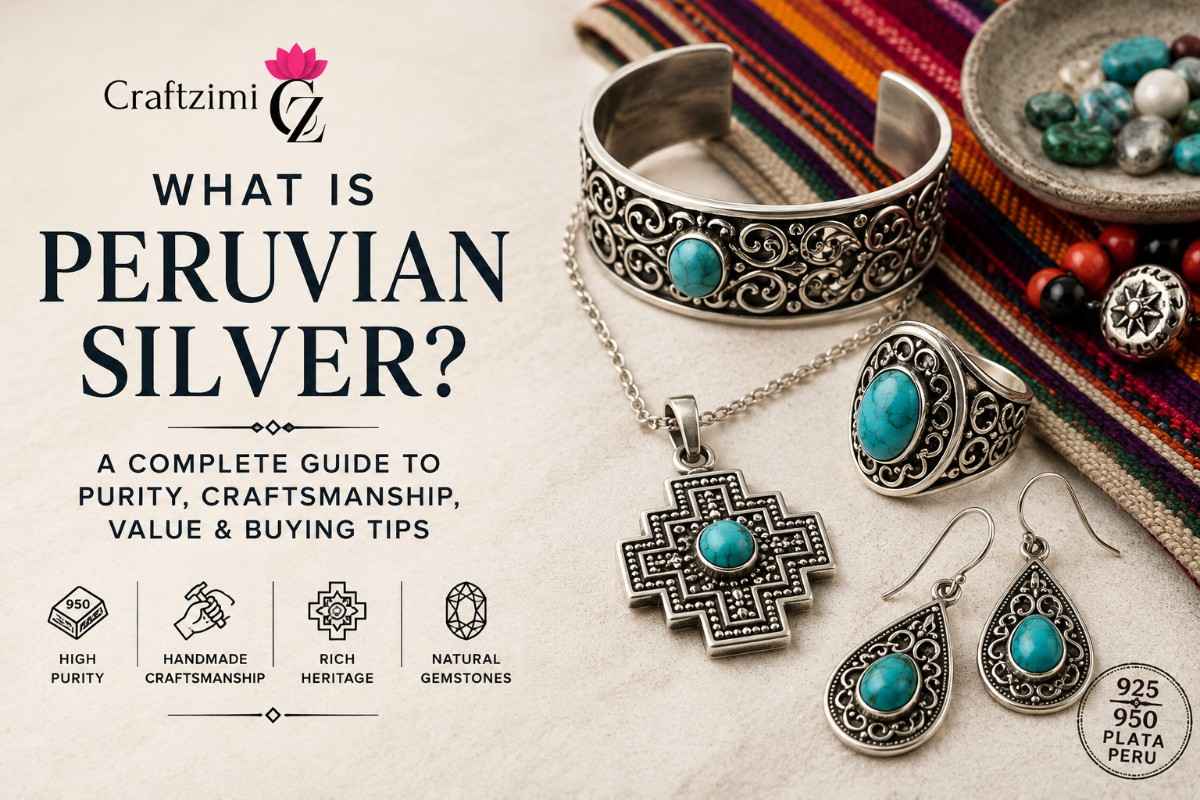
Peruvian silver is prized around the world for its exceptional quality, rich cultural heritage, and remarkable handcrafted designs. Whether you’re shopping for artisan jewelry, decorative silverware, or a meaningful gift, Peruvian silver stands out for its beauty and authenticity.
But what exactly is Peruvian silver? Is it real silver? How does it compare to sterling silver? And what should you look for before buying?
In this guide, you’ll learn everything you need to know about Peruvian silver, including its purity, history, craftsmanship, hallmarks, and how to identify authentic pieces.
What Is Peruvian Silver?
Peruvian silver refers to silver that is either mined, refined, or handcrafted in Peru. As one of the world’s leading silver-producing countries, Peru has built a global reputation for creating high-quality silver jewelry and artisan products.
Unlike mass-produced jewelry, much of Peru’s silver is handcrafted by skilled artisans who preserve techniques passed down through generations. The result is jewelry that combines premium silver with centuries of artistic tradition.
Many authentic Peruvian silver pieces are made using either:
- 950 silver (95% pure silver)
- 925 sterling silver (92.5% pure silver)
Both are genuine silver, but 950 silver contains a slightly higher percentage of pure silver, making it brighter and more luxurious.
Why Is Peruvian Silver So Popular?
Peruvian silver has earned worldwide recognition for several reasons.
Exceptional Silver Purity
One of the biggest reasons collectors and jewelry lovers choose Peruvian silver is its high purity.
While most sterling silver jewelry uses the 925 standard, many Peruvian artisans prefer 950 silver, which contains 95% pure silver and only 5% alloy metals.
Benefits of higher-purity silver include:
- Brighter natural shine
- Richer white appearance
- Softer luxurious finish
- Greater value due to higher silver content
Although 950 silver is slightly softer than 925 sterling silver, it remains an excellent choice for handcrafted jewelry.
A Rich History of Silver Craftsmanship
Silverworking has been part of Peruvian culture for over 1,000 years.
Long before modern jewelry existed, ancient civilizations such as the Inca and other pre-Columbian cultures mastered the art of shaping precious metals into ceremonial objects, ornaments, and symbols of status.
Today’s Peruvian silversmiths continue this tradition by blending ancient techniques with contemporary designs, creating jewelry that tells a cultural story while remaining stylish and wearable.
Unique Artisan Designs
Unlike factory-made jewelry, authentic Peruvian silver is often handcrafted in small workshops.
Many pieces feature:
- Traditional Andean patterns
- The Chakana (Andean Cross)
- Nature-inspired motifs
- Geometric Incan designs
- Hand-engraved details
Every handcrafted piece has slight variations, making it unique rather than identical to thousands of machine-produced items.
Common Types of Peruvian Silver Jewelry
Peru produces a wide variety of silver products, including both jewelry and decorative items.
950 Silver Jewelry
950 silver is the premium choice for many Peruvian artisans because of its higher silver content and brilliant appearance.
Popular pieces include:
- Rings
- Necklaces
- Bracelets
- Earrings
- Pendants
Filigree Silver Jewelry
Peruvian filigree is one of the country’s most admired silverworking techniques.
It involves twisting ultra-thin silver wires into delicate lace-like patterns that create elegant, lightweight jewelry with incredible detail.
This technique requires exceptional craftsmanship and can take many hours to complete by hand.
Silver Home Décor
Beyond jewelry, Peru is also known for handcrafted silver home goods such as:
- Decorative bowls
- Picture frames
- Candle holders
- Religious art
- Sculptures
- Dining accessories
These artisan pieces are often collected as luxury décor or family heirlooms.
Natural Gemstones Used in Peruvian Silver Jewelry
Many Peruvian artisans combine silver with locally sourced natural materials to create distinctive designs.
Popular additions include:
- Turquoise
- Chrysocolla
- Opal
- Amazonite
- Huayruro seeds
- Traditional woven textiles
These natural elements give Peruvian jewelry its colorful and authentic Andean character.
How to Identify Authentic Peruvian Silver
When shopping for genuine Peruvian silver, always inspect the quality marks.
Look for stamps such as:
- 925
- 950
- Plata
- Peru
These markings indicate the purity of the silver and often confirm the item’s origin.
You should also pay attention to craftsmanship. Genuine handcrafted Peruvian jewelry usually features:
- Clean finishing
- Fine detailing
- Solid construction
- Balanced weight
- High-quality polishing
Buying from reputable jewelers or artisan sellers also helps ensure authenticity.
Fake silver jewelry is more common than many buyers realize. Learn how to identify authentic sterling silver by checking hallmarks, performing simple at-home tests, and spotting common signs of counterfeit pieces. Read our How to Identify Authentic Sterling Silver Jewelry: A Complete Buyer’s Guide to shop with confidence and avoid costly mistakes.
Beware of Fake “Silver” Alloys
Not every product labeled with the word “silver” actually contains real silver.
Some common misleading names include:
- Alpaca Silver
- German Silver
- Brazil Silver
Despite their names, these materials are nickel, copper, and zinc alloys that contain no actual silver.
While they may resemble sterling silver, they have significantly lower value and different properties.
Always verify the purity stamp before purchasing.
Peruvian Silver vs Sterling Silver
| Feature | Peruvian 950 Silver | Sterling Silver (925) |
|---|---|---|
| Silver Purity | 95% | 92.5% |
| Brightness | Higher | Excellent |
| Durability | Slightly softer | More durable |
| Appearance | Premium white shine | Bright polished finish |
| Common Use | Artisan jewelry | Everyday jewelry |
Neither option is “better” for everyone.
If you value premium purity and handcrafted artistry, 950 Peruvian silver is an excellent choice. If you want maximum durability for everyday wear, 925 sterling silver is often the better option.
Know the difference – 950 Silver vs 925 Sterling Silver
Buy Sterling Silver Jewelry with Confidence
Before making your next purchase, learn how to identify genuine sterling silver, understand quality hallmarks, and avoid common buying mistakes. Read our guide on Important Facts to Know Before Buying Sterling Silver Jewelry to make an informed decision and choose pieces you’ll treasure for years to come.
Does Peruvian Silver Tarnish?
Yes.
Like all genuine silver, Peruvian silver can tarnish over time due to exposure to sulfur, moisture, cosmetics, and air pollution.
Fortunately, tarnish only affects the surface and can usually be removed with proper silver cleaning methods.
To keep your jewelry looking beautiful:
- Store it in an airtight pouch.
- Keep it dry.
- Remove it before swimming or showering.
- Clean it regularly with a soft polishing cloth.
- Avoid harsh household chemicals.
With proper care, authentic Peruvian silver can last for generations.
Is Peruvian Silver Worth Buying?
Absolutely.
Peruvian silver offers an outstanding combination of:
- High silver purity
- Handmade craftsmanship
- Cultural significance
- Unique artistic designs
- Long-lasting quality
- Excellent collectible value
Unlike mass-produced jewelry, each handcrafted piece reflects the skill and creativity of its artisan, making it both wearable art and a meaningful investment.
Final Thoughts
Peruvian silver is more than just precious metal—it’s a reflection of centuries of craftsmanship, culture, and artistic excellence. Whether crafted in 925 sterling silver or the higher-purity 950 standard, authentic Peruvian silver offers exceptional beauty, lasting quality, and timeless appeal.
If you’re looking for jewelry that combines premium materials with handmade artistry, Peruvian silver is an excellent choice. By checking the proper hallmarks and buying from reputable sources, you can confidently invest in authentic pieces that will remain beautiful for years to come.
Frequently Asked Questions About Peruvian Silver
Have questions about Peruvian silver? Below are answers to some of the most common questions buyers ask about its purity, authenticity, durability, value, and how it compares to other types of silver.
Is Peruvian silver real silver?
Yes, authentic Peruvian silver is real silver. It is most commonly available as 925 sterling silver (92.5% pure silver) or 950 silver (95% pure silver). Genuine pieces are usually stamped with hallmarks such as 925, 950, PLATA, or PERU to indicate their purity and origin.
Why is Peruvian silver so famous?
Peruvian silver is famous for its high purity, exceptional handcrafted quality, and centuries-old silversmithing tradition. Many artisans use traditional Andean techniques and create unique jewelry featuring cultural symbols, intricate filigree work, and locally sourced gemstones.
Is Peruvian silver better than sterling silver?
Peruvian silver isn’t necessarily better, but many pieces are made from 950 silver, which contains more pure silver than standard 925 sterling silver. It offers a brighter appearance and higher purity, while sterling silver is slightly more durable for everyday wear.
What is 950 Peruvian silver?
950 Peruvian silver is an alloy containing 95% pure silver and 5% other metals, usually copper. Its higher silver content gives it a brighter white color and luxurious finish, making it a popular choice for handcrafted artisan jewelry.
Does Peruvian silver tarnish?
Yes. Like all genuine silver, Peruvian silver can tarnish when exposed to air, moisture, sulfur, and certain chemicals. However, tarnish is only a surface reaction and can easily be removed with a silver polishing cloth or a gentle silver cleaner.
How can you tell if Peruvian silver is authentic?
Look for hallmarks such as 925, 950, PLATA, or PERU. Authentic Peruvian silver also features high-quality craftsmanship, detailed finishing, and solid construction. Buying from trusted jewelers or reputable artisan sellers is the best way to ensure authenticity.
Is Peruvian silver valuable?
Yes. The value of Peruvian silver depends on its purity, craftsmanship, weight, and whether it is handcrafted. Artisan jewelry made from 950 silver is often more valuable than mass-produced sterling silver because of its higher silver content and handmade quality.
What gemstones are commonly used in Peruvian silver jewelry?
Peruvian silver jewelry is often paired with natural gemstones such as turquoise, chrysocolla, opal, amazonite, and other locally sourced stones. Some artisan pieces also incorporate traditional Andean textiles or Huayruro seeds for added cultural significance.
Is Alpaca silver the same as Peruvian silver?
No. Alpaca silver is not real silver. Despite its name, it is an alloy made primarily of copper, nickel, and zinc. Authentic Peruvian silver contains real silver and is typically marked with 925 or 950 purity stamps.
Is Peruvian silver good for everyday wear?
Yes. Peruvian silver jewelry is durable enough for regular wear, especially pieces made from 925 sterling silver. Jewelry crafted from 950 silver is slightly softer due to its higher purity, so it benefits from a little extra care during daily use.
Where can I buy authentic Peruvian silver jewelry?
You can buy authentic Peruvian silver from reputable jewelry stores, certified artisan markets, trusted online retailers, and official Peruvian craft shops. Always check for silver purity hallmarks and seller authenticity before making a purchase.
Is Peruvian silver worth buying?
Absolutely. Peruvian silver combines premium silver purity, handcrafted artistry, cultural heritage, and timeless designs. Whether you’re buying jewelry for everyday wear or as a collectible piece, authentic Peruvian silver offers excellent quality and lasting value.