
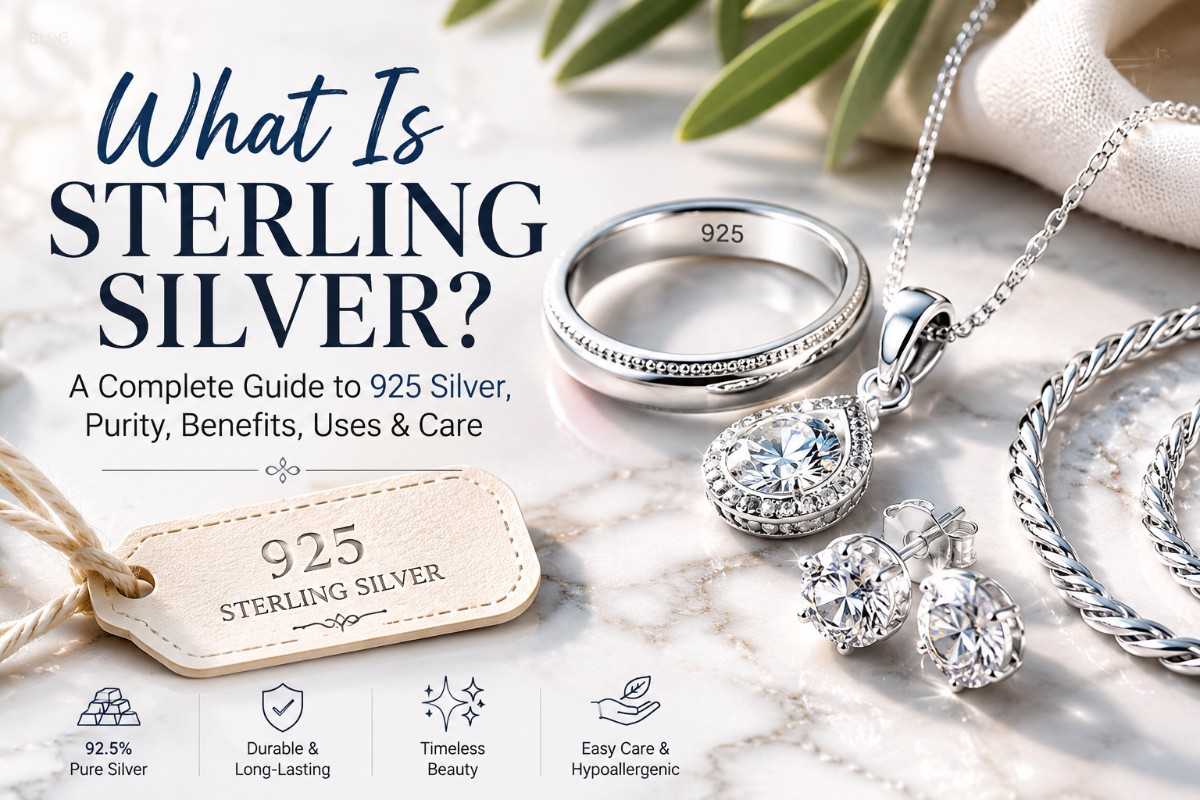
Sterling silver is one of the world’s most popular precious metals, prized for its brilliant shine, durability, and timeless appeal. Whether you’re shopping for a ring, necklace, bracelet, earrings, or collectible silverware, you’ve likely come across the term 925 sterling silver. But what exactly does it mean, and why is sterling silver preferred over pure silver?
In simple terms, sterling silver is an alloy made of 92.5% pure silver and 7.5% other metals, with copper being the most commonly used alloying metal. This precise combination creates a metal that is strong enough for everyday use while maintaining the elegant appearance and value of genuine silver.
Unlike pure silver, which is soft and easily scratched or bent, sterling silver offers the ideal balance of beauty, durability, and affordability. That’s why it has been the standard choice for fine jewelry, luxury accessories, decorative pieces, and tableware for centuries.
What Does Sterling Silver Mean?
Sterling silver refers to a standardized silver alloy containing 92.5% pure silver and 7.5% alloy metals, usually copper. The additional metal strengthens the silver without significantly changing its color or shine.
Pure silver, also known as fine silver, contains 99.9% silver. Although it has a higher silver content, it is far too soft for jewelry that is worn daily. Rings made from pure silver can easily bend, chains may stretch, and detailed designs may lose their shape over time.
To solve this problem, metalworkers developed sterling silver. By adding a small percentage of copper, they created a material that retains the luxurious appearance of silver while becoming much more resistant to scratches, dents, and everyday wear.
Today, sterling silver is considered the international standard for high-quality silver jewelry.
What Does 925 Mean on Sterling Silver?
If you’ve ever noticed a small “925” stamp inside a ring or on the clasp of a necklace, you’ve seen a sterling silver hallmark.
The number 925 simply means that the jewelry contains 92.5% pure silver and 7.5% other metals. This hallmark serves as an internationally recognized indication of silver purity and helps buyers identify genuine sterling silver.
Common sterling silver hallmarks include:
- 925
- .925
- STER
- STERLING
- STERLING SILVER
While these marks are good indicators of authenticity, they should not be the only factor you consider. Counterfeit jewelry can also carry fake hallmarks, so it’s always wise to purchase sterling silver from trusted retailers and reputable jewelers.
Before making a purchase, it’s important to know how to identify genuine sterling silver, understand common hallmarks, avoid fake or silver-plated pieces, and choose jewelry that offers lasting value.
👉 Don’t miss our guide: Important Facts to Know Before Buying Sterling Silver Jewelry. It covers everything you need to make an informed purchase and invest in authentic, high-quality sterling silver that you’ll enjoy for years to come.
Why Isn’t Pure Silver Used for Jewelry?
Many people assume that pure silver is automatically better because it contains more silver. In reality, that’s not the case when it comes to everyday jewelry.
Pure silver is an extremely soft metal. It bends easily, scratches quickly, and struggles to hold gemstones securely. Frequent wear can cause fine silver jewelry to lose its original shape over time.
Sterling silver overcomes these limitations by adding a small amount of copper or another strengthening metal.
This offers several important advantages:
- Greater durability for everyday wear
- Better resistance to scratches and dents
- Stronger gemstone settings
- Improved structural integrity
- Longer-lasting jewelry
- Easier maintenance
Because of these benefits, sterling silver has become the preferred material for engagement rings, wedding bands, bracelets, necklaces, earrings, pendants, anklets, and countless other types of fine jewelry.
Key Characteristics of Sterling Silver
Sterling silver stands out from other precious metals because it combines elegance with practicality. Some of its most notable characteristics include:
1. Beautiful White Shine
Sterling silver has a naturally bright white color with a reflective finish that complements both casual and formal styles. Its timeless appearance makes it suitable for people of all ages.
2. Excellent Durability
The added alloy metals significantly increase the hardness of sterling silver, making it much more durable than fine silver while remaining comfortable to wear every day.
3. High Precious Metal Content
With 92.5% pure silver, sterling silver retains the value and beauty associated with genuine precious metals, making it a popular choice for quality jewelry.
4. Affordable Luxury
Compared to gold or platinum, sterling silver offers exceptional value. It allows buyers to own genuine precious metal jewelry without paying premium prices.
5. Easy to Maintain
Although sterling silver naturally tarnishes over time, regular cleaning and proper storage help preserve its shine for many years. Even heavily tarnished sterling silver can usually be restored with simple cleaning methods or professional silver polish.
Does Sterling Silver Tarnish?
Yes, sterling silver naturally tarnishes over time. However, tarnishing is completely normal and does not mean your jewelry is fake or damaged.
Tarnish occurs when the silver reacts with sulfur compounds in the air, moisture, cosmetics, perfumes, lotions, and everyday pollutants. This chemical reaction forms a thin layer of silver sulfide on the surface, causing the jewelry to appear dull, gray, or black.
The good news is that tarnish only affects the outer layer of the metal. It does not damage the sterling silver itself and can usually be removed with proper cleaning.
Has Your Sterling Silver Chain Turned Black?
Don’t worry—a blackened sterling silver chain is usually the result of natural tarnishing, not permanent damage. With the right cleaning method, you can safely restore its original shine without harming the metal.
Whether you prefer simple DIY solutions or professional cleaning products, using the correct technique is essential to protect your jewelry and keep it looking its best.
👉 Read our guide, How to Clean a Sterling Silver Chain That Has Turned Black, to learn the safest and most effective ways to remove tarnish, restore shine, and prevent your silver chain from turning black again.
How to Clean Tarnished Sterling Silver
Most sterling silver jewelry can be restored to its original shine using one of the following methods:
- Wipe it with a silver polishing cloth.
- Use a high-quality silver polishing cream.
- Wash gently with warm water and mild dish soap.
- Use the aluminum foil and baking soda method for faster cleaning.
One of the quickest DIY cleaning methods involves lining a bowl with aluminum foil, placing the silver so it touches the foil, adding baking soda (and optionally a little salt), then pouring in hot or boiling water. After soaking for 2–5 minutes, rinse and dry the jewelry thoroughly. This method works through an electrochemical reaction that transfers the tarnish from the silver to the aluminum foil.
However, avoid this method for antique jewelry, hollow-handled pieces, glued components, or jewelry containing pearls, opals, turquoise, coral, or other soft and porous gemstones. For valuable or heavily tarnished pieces, a professional silver polish is usually the safest option.
With proper care and occasional cleaning, sterling silver jewelry can retain its brilliant shine for decades.
Restore the Shine of Your 925 Sterling Silver Ring
A 925 sterling silver ring can lose its sparkle over time due to everyday exposure to air, moisture, and skin oils. The good news is that tarnish is easy to remove when you use safe cleaning methods designed for sterling silver.
Whether your ring has a plain silver band or features gemstones, proper care can help restore its brilliance without causing scratches or damage.
👉 Read our guide, How to Clean 925 Sterling Silver Ring: Easy & Safe Methods That Actually Work, to discover step-by-step cleaning techniques, common mistakes to avoid, and expert tips for keeping your ring shiny and beautiful for years to come.
Keep Your Sterling Silver Looking Like New
Knowing what sterling silver is is only the first step—keeping it clean is just as important. Over time, even genuine 925 sterling silver can develop tarnish, causing it to lose its brilliant shine.
Fortunately, not all cleaning methods are created equal. Some are quick and highly effective, while others can do more harm than good if used incorrectly.
👉 Read our guide: Best Way to Clean Silver: 5 Cleaning Methods Ranked from Worst to Best to discover the safest and most effective ways to remove tarnish, restore your silver’s shine, and keep your jewelry looking beautiful for years to come.
Is Sterling Silver Hypoallergenic?
Sterling silver is generally considered hypoallergenic, making it an excellent choice for people with sensitive skin.
Most authentic sterling silver contains only silver and copper, both of which are well tolerated by the majority of people. Unlike inexpensive fashion jewelry, genuine sterling silver rarely causes skin irritation.
However, not all sterling silver jewelry is manufactured to the same standard. Some low-quality products may contain small amounts of nickel or other metals that can trigger allergic reactions.
If you have particularly sensitive skin, consider these tips:
- Buy from reputable jewelry brands.
- Look for genuine 925 hallmarks.
- Choose nickel-free sterling silver whenever possible.
- Keep jewelry clean to prevent buildup of sweat, lotions, and cosmetics.
For most people, sterling silver remains one of the safest and most comfortable precious metals for everyday wear.
Sterling Silver vs Other Types of Silver
Not all silver jewelry is made the same. Understanding the differences between the most common types of silver can help you make a smarter buying decision.
| Silver Type | Silver Content | Durability | Tarnish Resistance | Best For |
|---|---|---|---|---|
| Sterling Silver (925) | 92.5% | Excellent | Moderate | Everyday jewelry |
| Fine Silver (999) | 99.9% | Low | Moderate | Collectibles and investment pieces |
| Silver-Plated | Thin silver coating | Low | Low | Fashion jewelry |
| Argentium Silver | 92.5%+ | Excellent | High | Premium jewelry |
From durability and value to maintenance and everyday wear, knowing which silver is right for you can make all the difference.
👉 Read our guide: Why Silver Jewelry Lasts a Lifetime: 925 vs 950 Silver, Durability, Value & Care Guide to learn how these two silver types compare and discover simple care tips to keep your jewelry looking its best for a lifetime.
Sterling Silver vs Fine Silver
Fine silver contains 99.9% pure silver, making it softer and more prone to scratches, dents, and bending. While it has a slightly brighter appearance, it isn’t practical for jewelry worn every day.
Sterling silver sacrifices a small amount of purity in exchange for significantly greater strength, making it the preferred option for rings, necklaces, bracelets, and earrings.
Curious About 950 Silver?
If you’ve come across 950 silver while shopping for jewelry, you may be wondering how it compares to 925 sterling silver and whether it’s the right choice for your needs.
With a higher silver purity, unique hallmarks, and different durability characteristics, 950 silver offers its own advantages—but it’s not always the best option for every buyer.
👉 Explore our in-depth guide, 950 Silver Explained: Purity, Value, Durability, Hallmarks & Jewelry Buying Guide, to learn what 950 silver is, how it compares with sterling silver, how to identify authentic pieces, and whether it’s the right investment for your jewelry collection.
Sterling Silver vs Silver-Plated Jewelry
Silver-plated jewelry is made from a base metal coated with a very thin layer of silver.
Although it looks similar when new, the silver coating gradually wears away with regular use, exposing the metal underneath. Once the plating fades, the jewelry loses much of its appearance and value.
Sterling silver, on the other hand, is solid silver alloy throughout the entire piece. Even after years of polishing and daily wear, the metal remains genuine sterling silver.
Whether you’re shopping online or in-store, understanding the key signs of authentic sterling silver ensures you’re investing in jewelry that offers lasting beauty and value.
👉 Read our guide, How to Identify Authentic Sterling Silver Jewelry: A Complete Buyer’s Guide, to learn how to spot real sterling silver, recognize common red flags, and make confident purchasing decisions every time.
Not Sure if Your Silver Is Genuine?
Before buying or valuing any silver jewelry, it’s important to know whether it’s real sterling silver or just silver-plated. Fortunately, there are several simple tests that can help you identify authentic 925 sterling silver at home.
From checking hallmarks to performing easy magnet and tarnish tests, these methods can help you avoid counterfeit pieces and shop with confidence.
👉 Read our guide, How Can You Tell If Something Is Sterling Silver? 7 Easy Tests That Actually Work, to learn practical ways to verify authenticity, spot fake silver, and make smarter jewelry-buying decisions.
Sterling Silver vs Argentium Silver
Argentium silver is a modern version of sterling silver that replaces part of the copper with germanium.
This small change offers several advantages:
- Greater resistance to tarnishing
- Brighter natural appearance
- Less frequent polishing
- Improved corrosion resistance
Because of these benefits, Argentium silver is becoming increasingly popular for premium jewelry. However, traditional sterling silver remains the most widely available and affordable option.
Common Uses of Sterling Silver
Sterling silver is incredibly versatile and is used in far more than just jewelry.
Some of its most common applications include:
- Rings
- Necklaces
- Bracelets
- Earrings
- Pendants
- Anklets
- Watches
- Luxury tableware
- Decorative home accessories
- Collectible items
- Religious ornaments
- Personalized gifts
Its combination of beauty, strength, and lasting value makes sterling silver one of the most widely used precious metals in the world.
Why Sterling Silver Is Worth Buying
Sterling silver has remained popular for generations because it offers outstanding value without compromising on quality.
Some of its biggest advantages include:
- Made from 92.5% genuine silver
- Durable enough for everyday wear
- Elegant and timeless appearance
- More affordable than gold or platinum
- Suitable for most sensitive skin
- Easy to clean and maintain
- Holds its beauty for many years
- Available in countless styles and designs
- A valuable addition to any jewelry collection
Whether you’re purchasing your first silver ring or investing in a complete jewelry collection, sterling silver delivers the perfect balance of luxury, durability, and affordability.
How to Care for Sterling Silver Jewelry
Proper care helps preserve the shine and longevity of sterling silver.
Follow these simple maintenance tips:
- Store jewelry in an airtight pouch or anti-tarnish bag.
- Remove jewelry before swimming or using harsh cleaning products.
- Apply perfume, lotion, and hairspray before putting on silver jewelry.
- Clean pieces regularly using a soft polishing cloth.
- Keep jewelry dry when not in use.
- Wear your sterling silver often, as regular use can actually help reduce heavy tarnish buildup.
With the right care, sterling silver jewelry can last a lifetime and often becomes a treasured heirloom passed down through generations.
Final Thoughts
Sterling silver is much more than a beautiful precious metal—it’s a practical investment for anyone who values quality, durability, and timeless style. Made from 92.5% pure silver and 7.5% alloy metals, it offers the perfect combination of strength and elegance for everyday wear.
While sterling silver naturally develops tarnish over time, it is easy to clean and maintain, allowing it to retain its brilliant shine for years. Its affordability compared to gold and platinum, combined with its versatility and lasting value, has made it one of the most trusted choices for fine jewelry around the world.
Whether you’re buying your first piece of silver jewelry or expanding your collection, understanding what sterling silver is, how it differs from other types of silver, and how to care for it will help you make informed purchasing decisions. When you choose genuine 925 sterling silver from a reputable jeweler, you’re investing in a precious metal that combines beauty, craftsmanship, and durability—qualities that ensure it can be enjoyed for a lifetime.